
The Complete Guide to Upholstery Leather for Seating
This guide explains the best leather for sofas, recliners, and upholstered seating, how leather durability works, and how to choose the right leather depending on usage.
- Home
- The Karlsson Guide
- The Complete Guide to.....
Leather remains the gold standard for premium upholstery seating, offering durability, comfort, and timeless appeal. However, not all leather is suitable for every seating application. Understanding the different types of upholstery leather helps ensure that your furniture performs well over many years.
Types of Upholstery Leather
1. High-Performance Pigmented Leather (Recommended)
For most seating applications, pigmented full-grain or mildly corrected full-grain leather is the most practical and durable choice.
These leathers feature a protective pigmented finish that improves resistance to:
- Stains
- Body oils
- Spills
- Fading
- Daily wear
Because of this protective coating, pigmented leathers are far easier to maintain than untreated natural leathers.
Most luxury furniture manufacturers prefer mildly corrected full-grain pigmented leather because it balances:
- Natural appearance
- Durability
- Ease of maintenance
For everyday seating such as living room sofas, recliners, and cinema seating, high-performance pigmented leather is the most reliable option.
2. Sensitive Leathers (Aniline, Nubuck and Suede)
Some premium leathers prioritize softness and natural character rather than durability.
Examples include:
- Full aniline leather
- Nubuck leather
- Suede leather
These leathers have little or no protective surface finish.
As a result they:
- Absorb liquids easily
- Show marks from body oils
- Develop visible wear patterns
- Require careful maintenance
Over time they develop what is known as patina, which is a natural aging effect that changes the appearance of the leather.
While some people appreciate this character, patina can appear uneven in busy spaces where the seating experiences heavy use.
For this reason, sensitive leathers are best suited for:
- Private lounges
- Home offices
- Personal reading chairs
- Low-traffic luxury spaces
They are not recommended for heavily used living rooms or family seating areas.
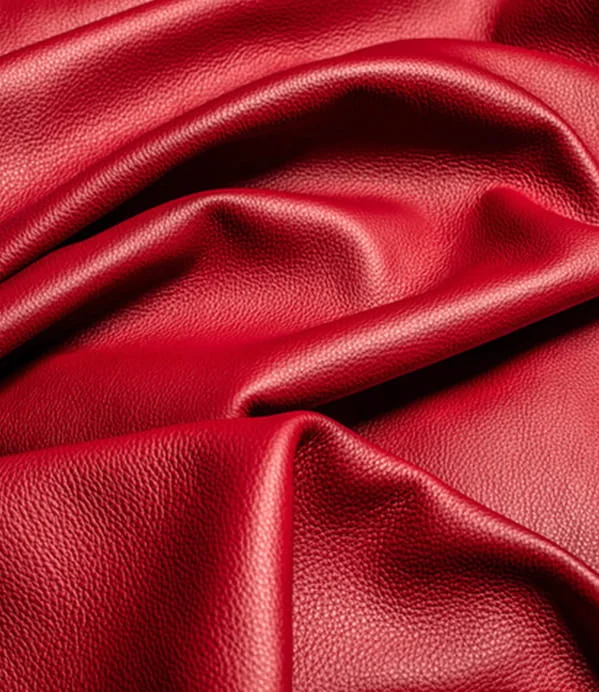
Choosing Leather Based on Usage
One of the most important considerations when selecting upholstery leather is traffic level.
High-Traffic Seating Areas
Use durable pigmented leather for:
- Family living rooms
- Recliner sofas
- Home theatre seating
- Entertainment rooms
- Hospitality environments
Low-Traffic Luxury Spaces
Sensitive leathers may work well in:
- Private lounges
- Personal seating areas
- Formal drawing rooms
- Executive office chairs
Selecting the right leather ensures that the furniture ages gracefully and maintains its appearance over time.
Upholstery Leather Thickness Explained
Leather thickness is often misunderstood.
For upholstery applications, a thickness of 1.0 mm or greater is generally recommended.
However, it is important to understand that:
Leather thickness and wear resistance are not directly proportional.
A thicker leather does not necessarily mean stronger leather.
Durability depends on:
- Hide quality
- Fiber density
- Tanning process
- Tear strength
Well-tanned leather of 1.0 mm thickness or greater typically meets international upholstery standards.
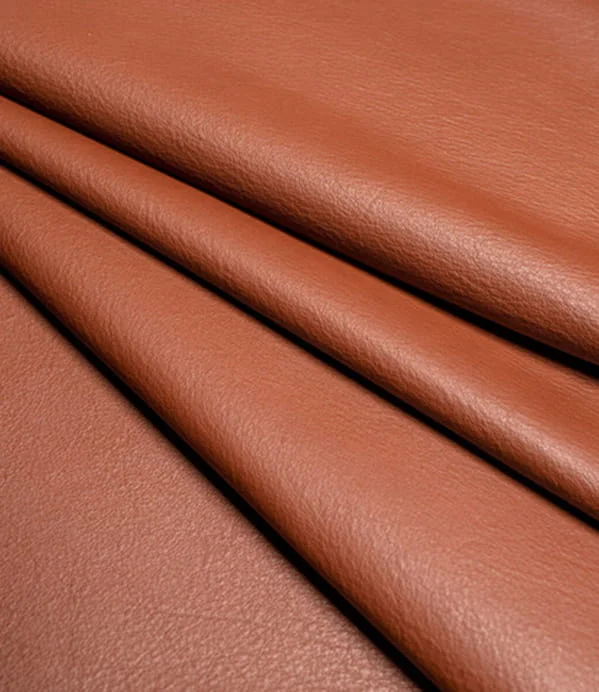
Upholstery Leather Tear Strength Standards
Well-tanned leather of 1.0 mm thickness or greater typically meets international upholstery standards.
International upholstery standards typically require a tear strength of approximately 20 newtons or higher.
Quality upholstery leather with a thickness of 1.0 mm or greater easily meets this requirement when properly processed.
This level of strength ensures that the leather can withstand everyday stretching and usage in sofas and recliners.
Embossed Grain vs Mildly Corrected Grain Leather
Upholstery leather is available in different grain finishes.
Embossed Grain Leather
Embossed grain leather features a textured surface.
Advantages include:
- Hides natural marks
- Improves durability
- Consistent appearance
- Excellent for high-traffic seating
Mildly Corrected Grain Leather
This finish offers a smoother and more refined surface.
Advantages include:
- Elegant appearance
- Natural leather look
- Good durability when pigmented
Both options perform well depending on the design preference and seating environment.
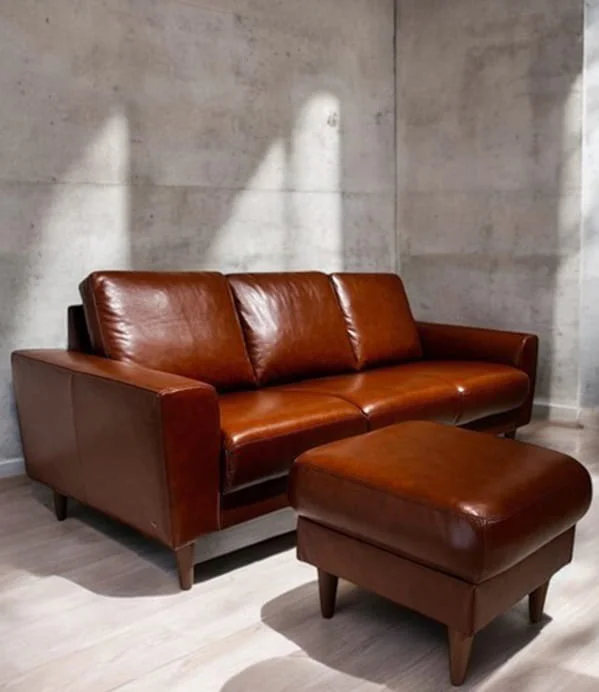
Why Expert Leather Selection Matters
Choosing upholstery leather should not be based purely on appearance. The correct leather depends on:
- Seating usage
- Room environment
- Maintenance expectations
- Long-term durability
A leather that looks beautiful in a showroom may not perform well in a busy household if it lacks the appropriate protective finish.
Upholstery Leather Expertise at Karlsson Seating
At Karlsson Seating, leather selection is treated as a technical decision rather than a simple material choice.
Our team evaluates:
- Seating usage patterns
- Room environment
- Lifestyle of the owner
- Long-term durability expectations
We recommend the most suitable leather type to ensure long-term comfort, durability, and visual appeal.
Karlsson offers a wide range of upholstery leather options including:
- High-performance pigmented leather
- Mildly corrected full-grain leather
- Embossed grain leather
- Premium specialty hides
With expert guidance and careful material selection, Karlsson ensures that your seating delivers lasting value and superior ownership experience.
Frequently Asked Questions
What is the best leather for sofas?
High-performance pigmented leather with mildly corrected full grain is generally the best choice for sofas because it combines durability, stain resistance, and easy maintenance.
What thickness of leather is best for upholstery?
A leather thickness of 1.0 mm or greater is recommended for furniture upholstery. Most quality upholstery leather falls within the range of 1.0 mm to 1.4 mm.
Is thicker leather always better?
No. Leather thickness and durability are not directly proportional. Tear strength, tanning quality, and fiber density are more important factors.
Should I choose aniline leather for my sofa?
Aniline leather is beautiful but requires careful maintenance. It is better suited for low-traffic luxury spaces rather than busy living areas.
Conclusion
Selecting the right upholstery leather ensures that your seating remains comfortable, durable, and visually appealing for years.
For most homes, high-performance pigmented full-grain leather offers the best balance of durability and elegance.
Sensitive leathers such as nubuck, suede, and aniline can provide a luxurious feel but should be reserved for low-traffic personal spaces.
With expert material selection and careful craftsmanship, premium leather seating can provide decades of enjoyment.