
Cooling and Warming Cup Holders
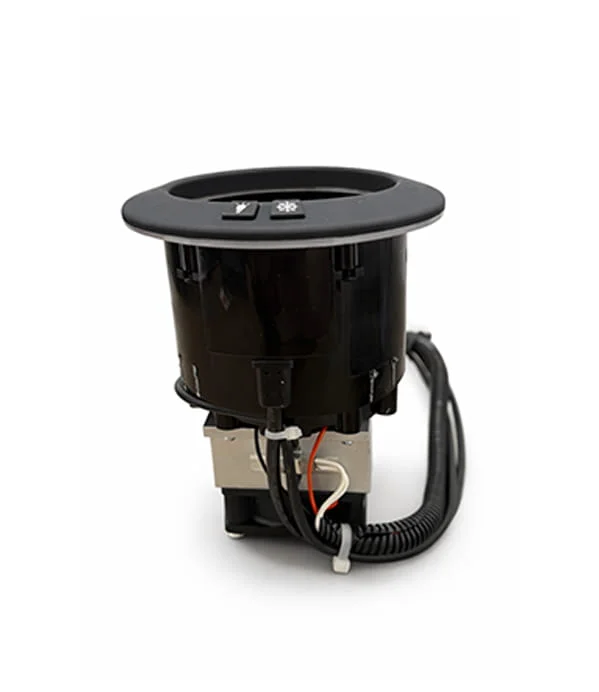
Cooling and Warming cup holders sound attractive in demos, but in real-world use they're marginal. The limitations are both technical and behavioural:
- Home
- The Karlsson Guide
- Cooling Cup Holders
Thermoelectric cooling or warming is weak
Most recliner cup holders use Peltier modules, not compressor refrigeration. These can only drop temperature ~8–15°C below ambient under ideal conditions. Low heat output: Thermoelectric modules do not generate much useful heating compared with a proper resistance heater.
They don’t cool or warm the liquid effectively
They cool or warm the outer wall of the cup, not the liquid volume.
- Works slightly with thin aluminium cans
- Almost useless with paper cups, thick mugs, or bottles So the actual beverage temperature barely changes.
No thermal retention
There's no insulation or sealed chamber. The moment you remove the drink, any marginal cooling or warmth is lost. It's not comparable to an ice bucket or fridge.
Slow response time
You're looking at 10–20 minutes for minor effect. Most users finish or ignore the drink before that.
Condensation and hygiene issues
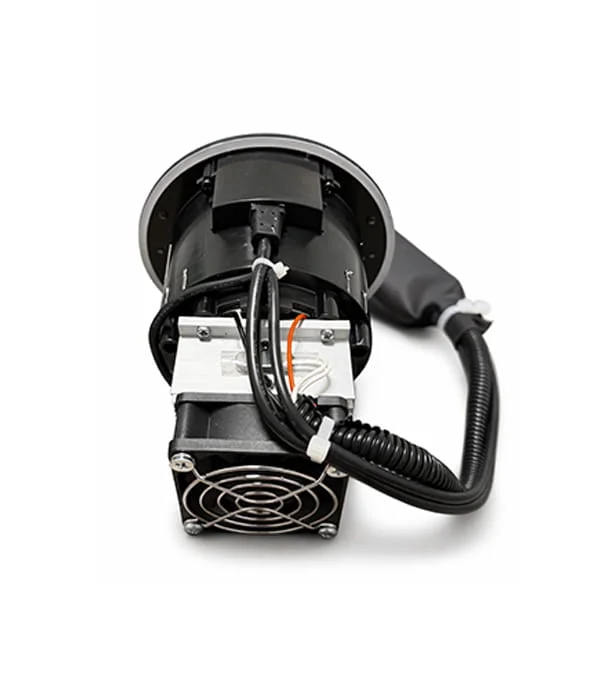
Cooling creates moisture buildup inside the holder. Over time:
- Sticky residue + dust accumulation
- Odour risk
- Requires frequent cleaning (rarely done)
Reliability and failure points
Adds electronics into a high-use component:
- Fans, Peltier plates, wiring
- Prone to failure in dusty environments
- Expensive to replace relative to actual utility
Cooling or warming cup holders are a showroom feature, not a usage feature. They may help sell a seat, but they don't improve ownership experience in any meaningful way.