
Recliners vs Incliners: What’s the Real Difference?
At a glance, both do the same job-allow you to lean back and elevate your legs. In practice, they operate on completely different mechanisms, and that affects comfort, space planning, and long-term usability.
- Home
- The Karlsson Guide
- Recliners vs Incliners.....
Most brands treat recliners and incliners as interchangeable. They are not. The mechanism fundamentally changes how the seat behaves, how much space it needs, and where it works best. If you're selling or buying at a premium level, this distinction matters.
What is a Recliner?
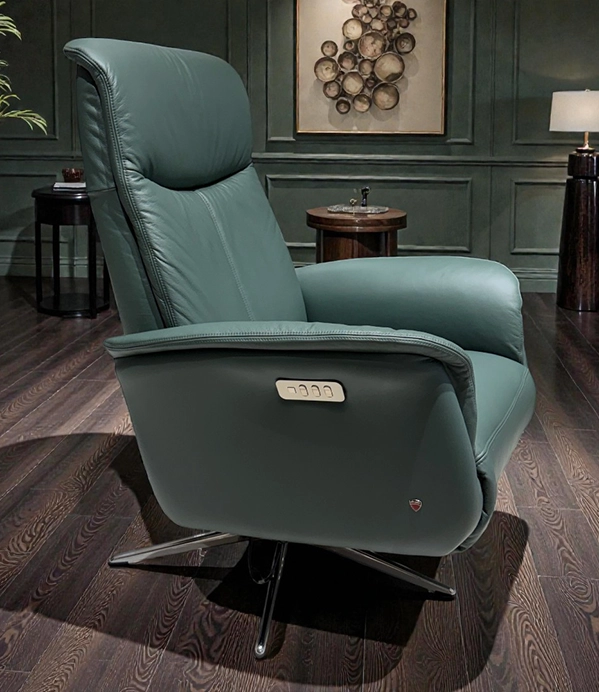
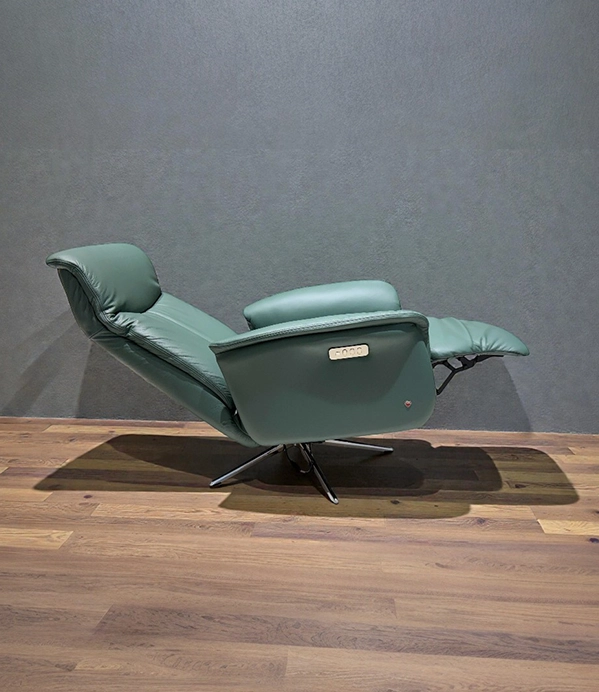
A traditional recliner works on a pivoting mechanism.
- The backrest tilts backward
- The footrest lifts up
- The entire chair moves away from the wall
Key Characteristics
- Requires significant rear clearance (typically 12–24 inches)
- Fixed seat base; movement happens mostly in the back
- Common in mass-market furniture and older designs
Where It Works
- Large living rooms with ample space behind the chair
- Casual seating environments
- Situations where space efficiency is not a constraint
What is an Incliner?
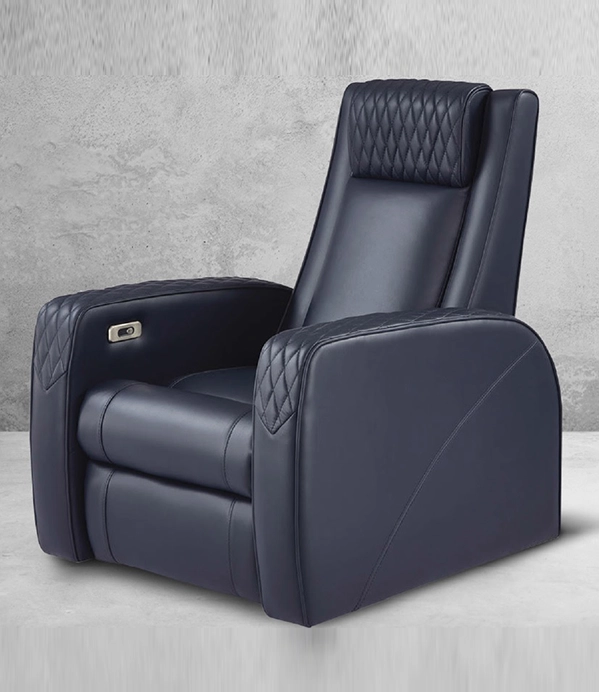
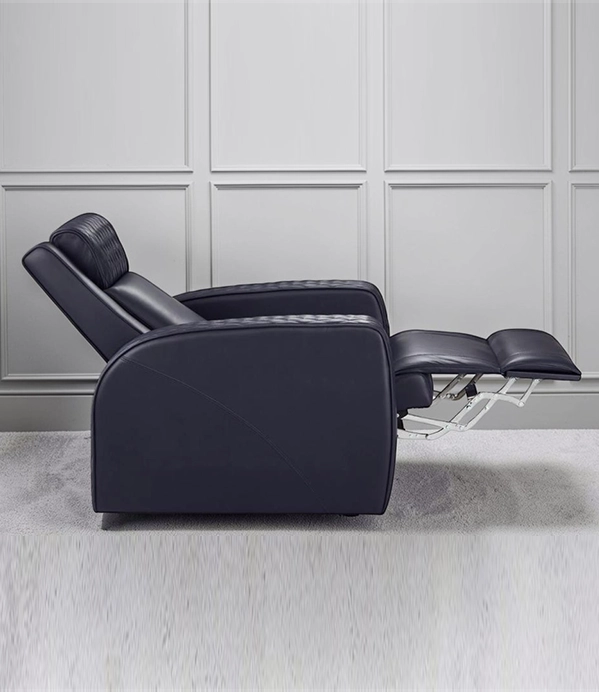
An incliner uses a forward-sliding mechanism.
- The seat moves forward as the back reclines
- The backrest still tilts, but in a more controlled geometry
- The chair requires minimal rear clearance
Key Characteristics
- Needs only 2–6 inches from the wall
- Maintains better weight distribution
- More compact and engineered movement
Where It Works
- Home theatre seating (especially multi-row layouts)
- Urban homes where space is limited
- Premium seating where alignment and spacing matter
The Mechanical Difference (Why It Matters)
This is not just a space issue—it's engineering.
Recliner (Pivot-Based)
- Hinges at the back
- Centre of gravity shifts backward
- The backrest tilts to a greater degree in full recline
Incliner (Linear Actuation / Sliding Track)
- Uses linear actuators and guided tracks
- Movement is controlled and balanced
- Keeps the user's centre of gravity stable
In high-end seating, incliners typically use multi-motor systems:
- Independent backrest adjustment
- Motorised headrest
- Precision positioning
This level of control is not standard in conventional recliners.
Space Planning: The Deciding Factor
This is where most mistakes happen.
| Feature | Recliner | Incliner |
|---|---|---|
| Rear clearance | High | Minimal |
| Footprint efficiency | Low | High |
| Multi-row layouts | Difficult | Ideal |
| Wall placement | Limited | Flexible |
If you are planning two or three rows of seating, recliners will create spacing issues. Incliners are designed specifically to solve this.
Comfort: Not the Same Experience
Recliners
- Relaxed, laid-back seating
- Less precise positioning
- Better suited for casual use
Incliners
- Ergonomically controlled posture
- Better lumbar and head support (with motorised systems)
- Designed for long-duration seating (films, extended use)
For a serious home theatre, incliners are not optional—they're the correct tool.
Aesthetics and Design Integration
Recliners tend to look bulkier because of their mechanism and clearance needs.
Incliners allow:
- Cleaner lines
- Tighter layouts
- More consistent spacing across rows
This is why most premium cinema seating globally uses incliner systems, not traditional recliners.
When Should You Choose Each?
Choose a Recliner if:
- You have ample space
- You want a simpler solution
- The seating is not part of a structured layout
Choose an Incliner if:
- You are designing a home theatre or media room
- Space efficiency is important
- You want precision comfort and better engineering
- You are investing in long-term seating quality
The Bottom Line
Recliners are a legacy solution. Incliners are engineered for modern spaces.
If the goal is casual comfort, a recliner will do the job.
If the goal is performance seating—where layout, comfort, and engineering matter—an incliner is the correct choice.