
Recliners vs Incliners: How to Choose Seating for a Home Theatre
- Home
- The Karlsson Guide
- Recliners vs Incliners.....
When people begin planning a home theatre, most of the attention goes to the screen, projector, speakers, and acoustics. Seating is often treated as the final decision. In practice, it should be one of the first.
The seating layout influences viewing angles, row spacing, room circulation, comfort, and even how many people the room can accommodate. A chair that works perfectly in a living room may not be the right choice for a dedicated cinema space.
One of the most common questions we receive is whether a home theatre should use recliners or incliners. The answer depends on the room, the seating layout, and how the space will be used.
Why Home Theatre Seating Is Different
A home theatre asks more from seating than almost any other room in a home. People remain seated for longer periods. Sightlines become important. Multiple seating positions need to work equally well. In many projects, every additional inch of room depth has a direct impact on the number of seats that can be installed.
Unlike a sofa in a living room, theatre seating must function as part of a carefully planned layout. That is why seating selection should be considered alongside room planning rather than after it.
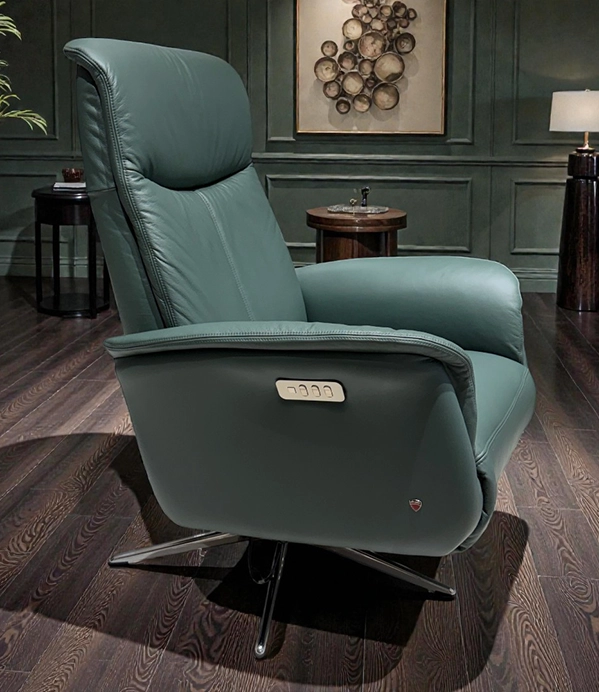
Understanding Recliners
A recliner allows the backrest and footrest to move independently, creating a lounging position designed for extended comfort.
Traditional recliners typically require clearance behind the chair as the backrest moves backwards during operation. This creates a highly comfortable seating experience but also increases the amount of floor space required.
For single-row media rooms and larger home theatres, recliners remain one of the most popular seating choices because they prioritise individual comfort.
Where room depth is available, a recliner often delivers the most relaxed viewing experience.
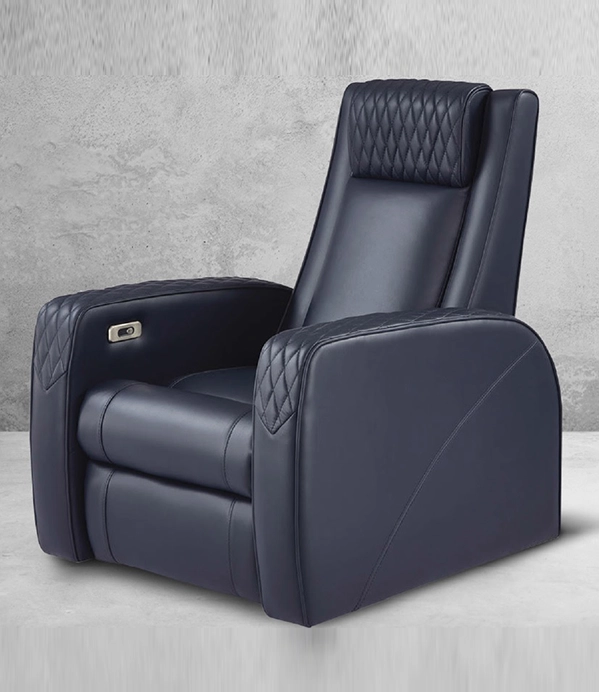
Understanding Incliners
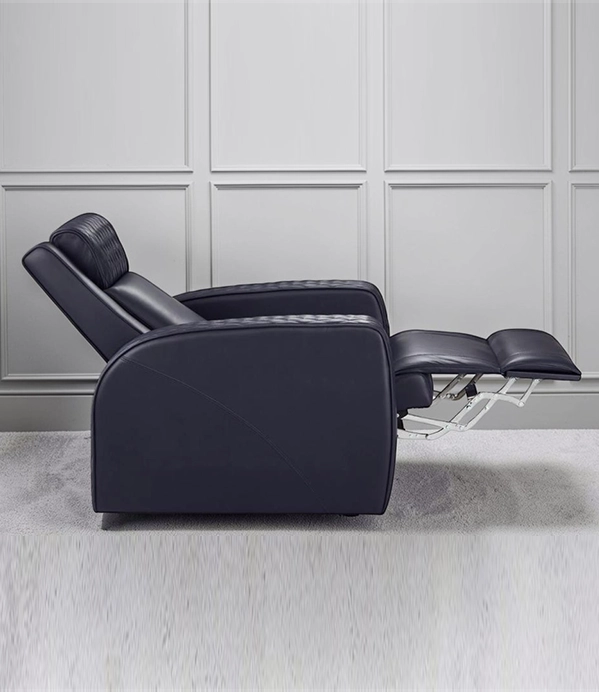
An incliner achieves a similar objective through a different mechanism. Instead of requiring significant movement behind the chair, the seating position changes while maintaining a more compact footprint. This reduces the overall space required per row and creates greater flexibility when planning larger seating layouts.
The difference may appear small when viewed on a product sheet, but it becomes significant when designing an entire room. In many projects, incliners can save between 8 and 12 inches of depth per seating row.
That additional space can often determine whether a room comfortably accommodates one row, two rows, or additional circulation space.
Why Space Matters More Than Most People Realise
One of the most common mistakes in home theatre design is selecting seating before understanding the room dimensions.
A recliner that feels comfortable in a showroom may require more space than the room can realistically provide once viewing distances, walkways, equipment placement, and sightlines are taken into account. This becomes particularly important in urban homes where dedicated theatre rooms are often designed within fixed dimensions. The question is not simply whether a recliner is more comfortable than an incliner. The question is whether the room benefits more from maximum recline or maximum spatial efficiency.
In many cases, the answer depends on the number of rows being planned.
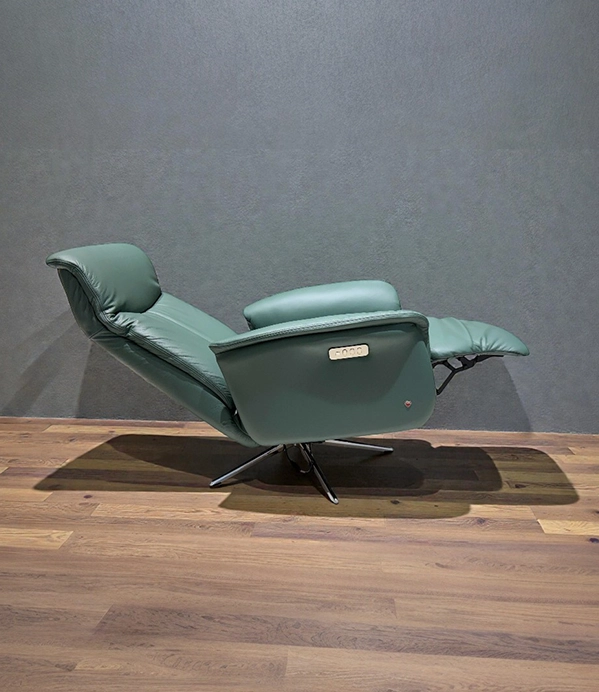
Manual vs Power Reclining Mechanisms
Once the seating format has been determined, the next decision is how the chair should operate.
Manual reclining mechanisms rely on physical operation by the user and require no electrical connection.
Power recliners use motorised mechanisms to control movement more precisely and with less effort. Depending on the model, this may include single-motor, dual-motor, or multi-motor configurations.
For dedicated home theatres, power recliners are often preferred because they allow smoother operation and more precise adjustment during longer viewing sessions.
The choice ultimately depends on user preference, room planning requirements, and the desired seating experience.
Common Home Theatre Planning Mistakes
The most successful theatre rooms are usually the result of careful planning rather than larger budgets.
The most common mistakes we encounter include:
- Selecting seating before establishing the room layout
- Underestimating the space required for reclining positions
- Focusing on seat count rather than viewing comfort
- Ignoring circulation pathways between rows
- Prioritising individual chair specifications over overall room performance
Prioritising individual chair specifications over overall room performance Good theatre seating should improve the room rather than compete with it.
Karlsson’s Take
If we are planning a dedicated home theatre, we begin with the room rather than the chair. For larger spaces and single-row installations, recliners remain an excellent choice because they provide exceptional comfort for extended viewing sessions.
For multi-row theatres or rooms where space efficiency is important, incliners often provide a better solution. The ability to save space across multiple rows can significantly improve layout flexibility without compromising comfort.
When it comes to mechanisms, we generally favour high-quality European power reclining systems for dedicated theatre environments. They provide smoother operation, finer adjustment, and a seating experience that feels more suited to longer viewing sessions.
The best theatre seating is rarely determined by a single feature. It is determined by how well the seating works within the room it was designed for. That is where planning matters most.